
Backcountry adventures can be exhilarating and rewarding, but they also come with risks. When hikers, skiers, or climbers get into trouble and need to be rescued, who should bear the financial burden? This article will explore the various perspectives on this issue and its implications.
The Current Situation
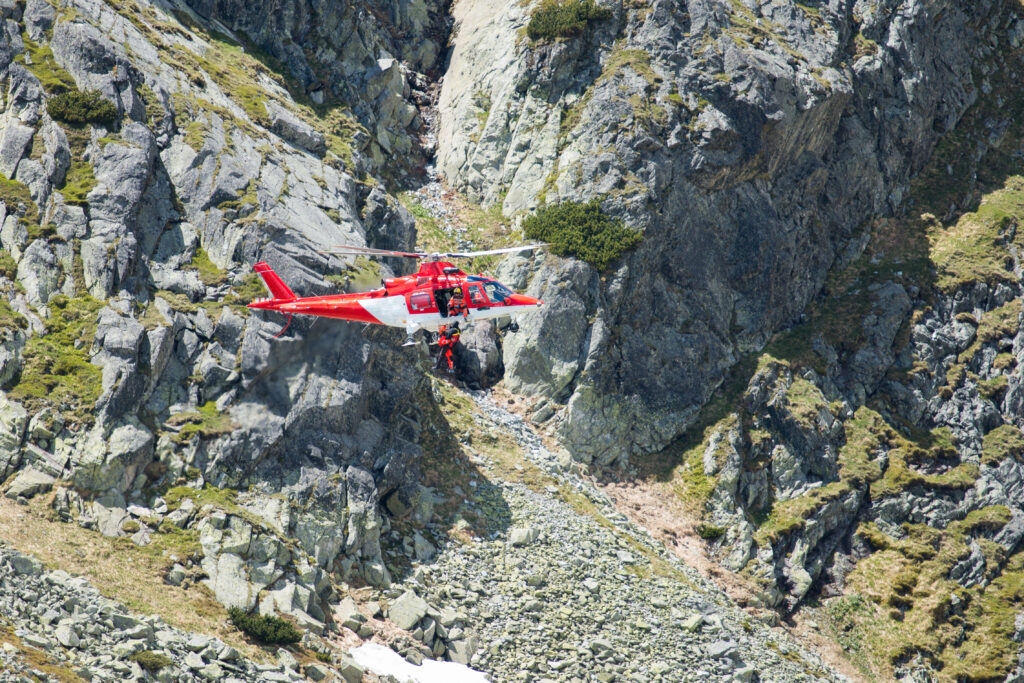
As it stands, the cost of backcountry rescues is typically borne by the government, meaning taxpayers foot the bill. This includes the expenses associated with deploying search and rescue teams, helicopters, and other resources. However, some argue that this arrangement is unfair, as it essentially means that responsible and cautious individuals are subsidizing the risky behavior of others.
Perspectives on Responsibility
There are different schools of thought when it comes to who should be responsible for the cost of backcountry rescues. Some argue that individuals who engage in high-risk activities should be prepared to cover the expenses themselves. They believe that this would incentivize people to take greater precautions and avoid unnecessary risks, ultimately reducing the number of rescues needed.
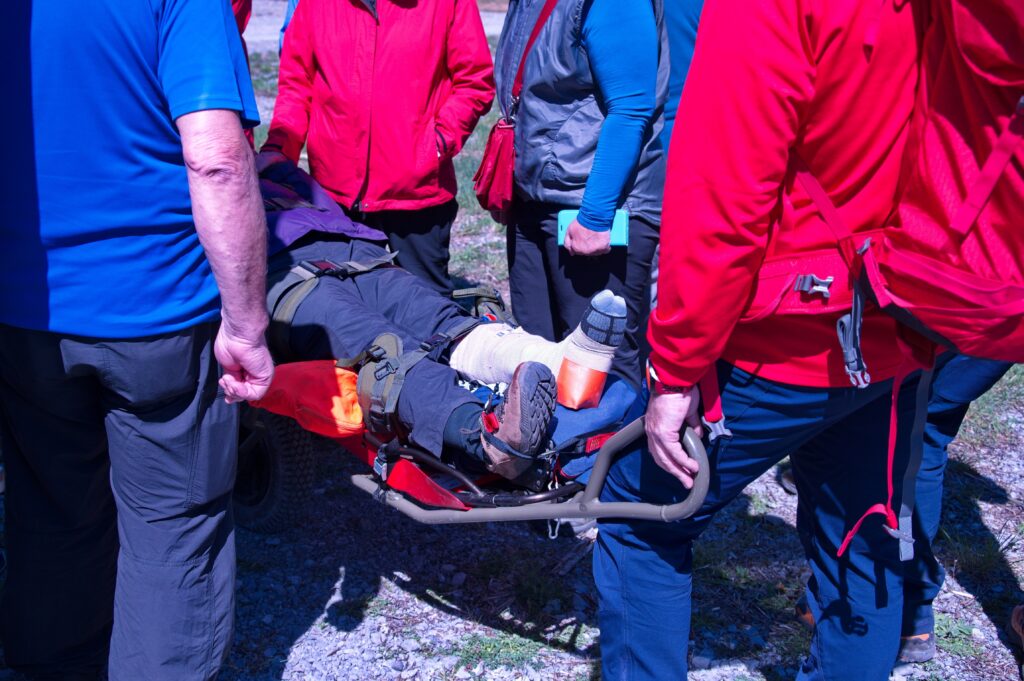
On the other hand, others argue that emergencies can happen to anyone, regardless of their level of experience or preparedness. They contend that it is unrealistic to expect individuals to be able to shoulder the potentially substantial costs of a backcountry rescue, particularly if they require extensive medical treatment as a result of their ordeal.
Financial Implications
Shifting the cost of backcountry rescues from the government to the individuals involved could have significant financial implications. For one, it could potentially discourage people from seeking help when they need it out of fear of the associated expenses. This could lead to greater injury or loss of life in some cases.
There is also the question of how to determine who is at fault in a backcountry rescue situation. Accidents can occur due to a variety of factors, including unforeseen weather events, equipment failure, or simple bad luck. Holding individuals financially responsible for an accident that may have been out of their control raises ethical and practical concerns.
Conclusion
Ultimately, the question of who should foot the bill for backcountry rescues is a complex and contentious issue. While there are valid arguments on both sides, it is clear that any proposed changes to the current system would need to be carefully considered and thoroughly debated. The priority should always be the safety and well-being of those in need of rescue, but the financial implications cannot be ignored.
FAQs
1. Are backcountry rescues common?
Backcountry rescues do occur with some frequency, particularly in areas with high levels of outdoor recreation. Each year, search and rescue teams are called upon to assist individuals in distress in remote and challenging terrain.
2. Is backcountry rescue expensive?
Yes, backcountry rescues can be costly, often involving the deployment of specialized personnel and equipment. Helicopter rescues, for example, can run into the tens of thousands of dollars.
3. What are some precautions I can take to minimize the risk of needing a rescue?
Some common-sense precautions to reduce the likelihood of requiring a backcountry rescue include thorough trip planning, carrying appropriate gear and supplies, and maintaining communication with others who are aware of your plans.