
Introduction
Winter hiking can be a magical experience, with snow-covered landscapes and crisp, clean air. However, it’s important to be aware of the specific challenges and dangers that come with hiking on snowy trails. In this article, we’ll explore the telltale signs to look for when hiking in a winter wonderland, so you can enjoy your outdoor adventure safely.
Signs to Look for on Snowy Trails
Snow Depth
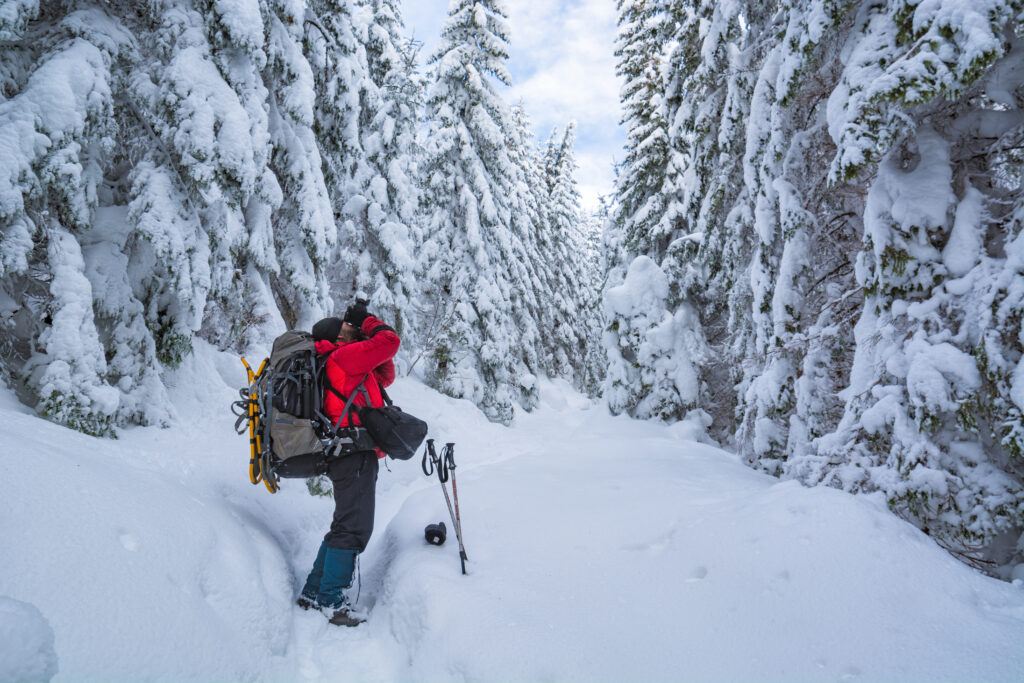
One of the most obvious signs that you’re hiking in a wintry landscape is the depth of the snow. When the snow is deep, it can be more strenuous to hike, and the risk of getting lost or injured increases. Keep an eye on the depth of the snow and plan your route accordingly.
Animal Tracks
Animal tracks in the snow can provide valuable information about the local wildlife and the conditions you might encounter. Keep an eye out for tracks from animals such as deer, rabbits, or even predators like wolves or bears. Knowing the types of animals in the area can help you stay alert and avoid potential encounters.
Ice and Snow Layers
Just as in any environment, the condition of the snow and ice can vary greatly. Look for layers of ice or snow that may indicate changing weather conditions or potential avalanche risk. Be cautious when traversing areas with these layers, and always be aware of your surroundings.
Weather Changes
Winter weather can be unpredictable, so keep an eye out for sudden changes in the sky, such as dark clouds, strong winds, or rapidly dropping temperatures. These signs can signal an incoming storm, and it’s crucial to be prepared to take shelter or change your plans accordingly.
Wind Patterns
Wind can have a significant impact on the snow, creating drifts and changing the landscape. Observing the direction and intensity of the wind can help you anticipate potential hazards and plan your route to avoid dangerous areas with deep snow or unstable terrain.
Conclusion
Winter hiking can be a rewarding and fulfilling experience, but it requires careful preparation and attention to the telltale signs of the snowy trails. By paying attention to snow depth, animal tracks, ice and snow layers, weather changes, and wind patterns, you can ensure a safe and enjoyable outdoor adventure in the winter wonderland.

FAQs
Q: What should I wear when hiking in snowy conditions?
A: It’s important to dress in layers, with moisture-wicking base layers, insulating mid-layers, and a waterproof and windproof outer layer. Additionally, wear warm socks, waterproof boots, gloves, a hat, and sunglasses to protect your eyes from the glare of the snow.
Q: Should I bring any specific gear for winter hiking?
A: In addition to the usual hiking equipment, it’s essential to carry items such as a map and compass, a headlamp, extra food and water, a first-aid kit, a multi-tool, and a portable stove for warmth and cooking. Consider bringing snowshoes or traction devices for your boots, as well as avalanche safety gear if you’ll be in avalanche-prone areas.
Q: How can I stay safe while hiking in snowy conditions?
A: Always check weather forecasts and trail conditions before heading out, and let someone know your planned route and expected return time. Stay hydrated and well-fed, take regular breaks, and be aware of signs of hypothermia and frostbite. Above all, use caution and common sense when hiking in snowy terrain, and be prepared to turn back if conditions become too challenging.