
When venturing into the great outdoors, responsible camping is not just a choice; it’s an ethical commitment to preserving and protecting the environment. At the heart of this commitment are the Leave No Trace principles, which guide campers to practice campsite conservation, adhere to camping ethics, and embrace sustainable camping. In this article, we’ll delve into these principles and explore the importance of outdoor ethics, nature preservation, and environmentally friendly camping practices.

Let’s embark on a journey to understand the responsible camper code and how it helps preserve and protect campsites, while raising awareness about the vital link between camping and Leave No Trace principles.
The Leave No Trace Policy
Leave No Trace principles are the foundation of responsible camping. They provide a clear and comprehensive framework for campers to follow while enjoying the outdoors.
These principles are not arbitrary rules; they are a well-thought-out guide that has been developed over years of outdoor exploration and conservation efforts. They offer campers a roadmap for minimizing their impact on nature and maximizing their enjoyment of the wilderness. Each principle has a specific purpose, and together, they form a cohesive philosophy of ethical outdoor conduct.
These principles emphasize the importance of minimizing our impact on nature and leaving our campsite as pristine as we found it.
One of the fundamental tenets of Leave No Trace is the idea that we should leave nature exactly as we found it, if not better. This means packing out all trash, including microtrash like food scraps and tiny bits of plastic. It means extinguishing campfires completely and ensuring that fire scars are rehabilitated. It means respecting wildlife by observing from a distance and not feeding them human food, which can harm both animals and their natural behaviors.

The Leave No Trace policy serves as a moral compass for outdoor enthusiasts, guiding them towards responsible outdoor recreation.
Imagine the Leave No Trace policy as a moral compass that points campers in the right direction when navigating the wilderness. It helps us make ethical decisions about where to camp, how to dispose of waste, and how to interact with the natural world. This compass directs us away from harmful practices and towards those that preserve and protect the environment.
The beauty of Leave No Trace is that it doesn’t just benefit the environment; it also enhances our outdoor experiences. By following these principles, we not only protect fragile ecosystems but also ensure that future generations can enjoy the same pristine wilderness that we do today. It fosters a sense of responsibility and stewardship among outdoor enthusiasts, creating a community dedicated to leaving a positive mark on the natural world. In essence, Leave No Trace is a way of expressing our gratitude to the great outdoors for the joy and solace it provides us, ensuring that its beauty endures for generations to come.
Protecting Nature on Your Camping Trip
Protecting nature while camping is not just a duty but a privilege. Campers play a vital role in conserving the environment they love. Responsible camping means embracing the responsibility of safeguarding natural landscapes, wildlife, and ecosystems. Every action, from campsite selection to waste disposal, should be guided by a commitment to outdoor conservation practices.
The Environmental Impact of Irresponsible Camping
Irresponsible camping practices can have devastating consequences on the environment. Littering, uncontrolled campfires, and improper waste disposal are just a few examples of how careless actions can harm the natural world. Understanding the environmental responsibility in camping is crucial to mitigating these negative impacts.

Raising Awareness for Responsible Camping
Raising awareness about responsible camping is essential to fostering a culture of outdoor ethics. Through education and outreach, we can instill a sense of duty in campers to leave no trace and uphold nature-friendly camping practices. By spreading the message of Leave No Trace camping principles, we can inspire others to follow suit.
Cultivating a Culture of Outdoor Ethics
The foundation of responsible camping lies in cultivating a culture of outdoor ethics. This culture emphasizes the principles of stewardship, respect, and sustainability when enjoying the natural world. It starts with education, both for seasoned campers and newcomers to the wilderness. Awareness campaigns and educational programs are essential tools in nurturing this culture.
The Power of Education and Outreach
Education is a powerful tool for change. It empowers campers with the knowledge and understanding of how their actions impact the environment. It enables them to make informed decisions that align with responsible camping practices. Outreach programs, workshops, and online resources play a crucial role in disseminating this knowledge to the outdoor community.
Instilling a Sense of Duty
Awareness efforts instill a profound sense of duty in campers. They come to understand that they are not just visitors to these natural landscapes but caretakers entrusted with their preservation. This sense of responsibility becomes a guiding principle, motivating campers to take proactive steps in minimizing their environmental footprint.
Leaving No Trace as a Guiding Light
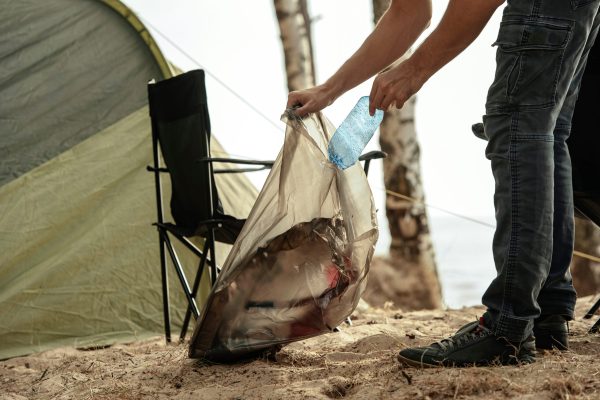
The Leave No Trace principles serve as a guiding light for responsible campers. These principles offer a practical framework for responsible outdoor recreation. When campers learn about and embrace these principles, they become stewards of the environment, ensuring that their actions align with the values of minimal impact and respect for nature.
Inspiring Others Through Example
One of the most potent ways to raise awareness is by leading by example. When campers practice Leave No Trace and responsible camping, they inspire others to follow suit. Fellow outdoor enthusiasts witness the positive impact of these practices, sparking a chain reaction of responsible behavior.
Spreading the Message of Leave No Trace
Spreading the message of Leave No Trace camping principles is a collective effort. It involves sharing stories of responsible camping experiences, creating engaging content, and utilizing social media and other platforms to reach a broader audience. The more individuals who understand and embrace these principles, the greater the positive impact on our natural world.

Building a Community of Responsible Campers
Awareness efforts not only inspire individuals but also build a community of responsible campers. This community becomes a supportive network that reinforces the values of outdoor ethics and responsible camping. It’s a place where experiences are shared, questions are answered, and knowledge is passed down to future generations of outdoor enthusiasts.
Raising awareness about responsible camping is not just an option; it’s an imperative. It is the cornerstone of building a culture of outdoor ethics that respects and preserves the environment. Through education, outreach, and the dissemination of Leave No Trace principles, we can instill a sense of duty in campers, inspiring them to leave no trace and uphold nature-friendly camping practices. As responsible campers, we have the opportunity to be ambassadors for the wilderness, ensuring that the beauty of our natural world remains intact for generations to come.
Embracing the Outdoor Experience
Responsible camping enhances the outdoor experience. When campers minimize their impact, they create a harmonious relationship with nature. The tranquility of a pristine campsite and the opportunity to witness undisturbed wildlife are some rewards of camping responsibly. This connection with nature is what makes eco-conscious camping truly special.
Leave No Trace Principles in Action
Implementing Leave No Trace principles is the cornerstone of responsible camping. Campers can start by selecting their campsite carefully, choosing established sites when available to minimize their impact. They should adhere to camping responsibility tips, such as packing out all waste, disposing of gray water responsibly, and using campfires only where permitted and safe.
Campsite Cleanliness and Preservation
One of the most tangible ways to practice campsite conservation is by leaving your campsite as you found it. Campsite cleanliness is not just about picking up trash; it’s about caring for the entire area. Responsible campers are meticulous about proper waste disposal and recycling, ensuring that no trace of their presence remains.
Sustainable Camping Equipment and Practices
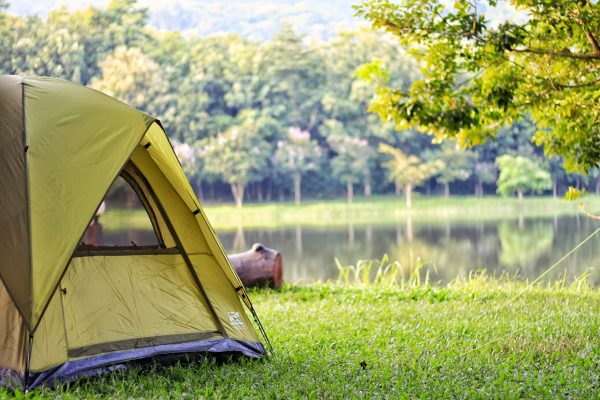
Sustainable camping is about making eco-friendly choices, even when it comes to equipment and practices. Campers can opt for environmentally friendly camping gear and reduce waste by using reusable products. By embracing green camping practices, they minimize their environmental footprint.
Building a Responsible Camping Community
Campers can do more than just camp responsibly individually; they can inspire and educate others. By sharing their experiences and knowledge, they contribute to camping and Leave No Trace awareness. Responsible camping initiatives within the outdoor community can lead to the widespread adoption of Leave No Trace camping principles.
Conclusion: A Responsible Camping Legacy
Responsible camping is not merely about enjoying the outdoors; it’s about leaving a lasting, positive impact. By following the Leave No Trace principles, campsite conservation, and outdoor ethics, we can all become stewards of the environment. Let’s preserve and protect campsites for future generations while instilling the values of environmental responsibility in camping. Together, we can ensure that the beauty of nature remains for all to enjoy, fostering a deep connection between responsible campers and the great outdoors.
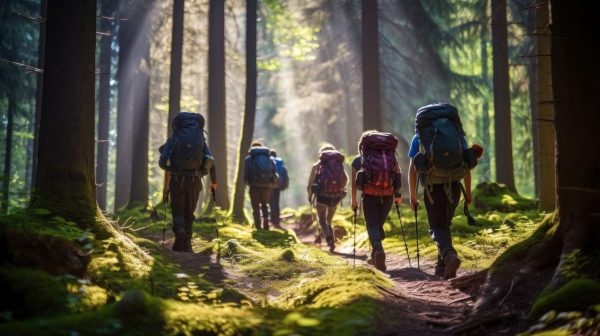
Responsible camping is a commitment to preserving and protecting nature while enjoying the splendor of the outdoors. By practicing Leave No Trace principles, adhering to camping ethics, and embracing sustainable camping practices, we become responsible stewards of our environment. It’s a code of conduct that benefits both nature and outdoor enthusiasts, leaving no doubt that responsible camping is the only way to go.
Join the movement, and let’s leave no trace but footprints of responsible campers.